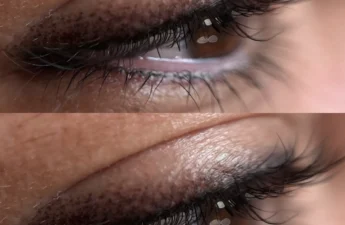
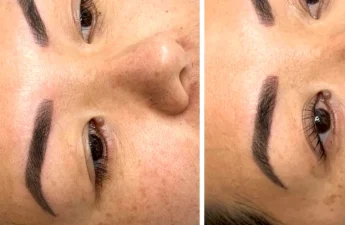
Lip blushing is a trending beauty treatment and sought-after cosmetic procedure that gives a subtle boost to the lips by depositing pigment for a natural colour. It can add volume, give a blush of colour and refine the edges for a more balanced look. This permanent makeup technique can also simplify your makeup routine and give you the look of your favourite lipstick or lip stain without daily application. Whether you want a touch of natural lip colour or a more defined lip contour, a professional lip blush tattoo in Melbourne can deliver amazing results when done by a skilled technician.
With lip blush tattoos in Melbourne on the rise, more people are turning to this cosmetic enhancement to get a long-lasting, natural-looking tint that suits their skin tone and personal style. But despite the many benefits of lip blushing, it’s not a one-size-fits-all treatment. Some people should not have this procedure due to medical conditions, skin type or lifestyle factors that can lead to poor outcomes or complications.
To know if you’re a good candidate involves researching your skin type, medical history and expectations. Below we’ll explore who should not have lip blushing and why it’s crucial to prioritise safety, healing and the expertise of your lip blush tattoo artist.
Cold Sore Outbreaks
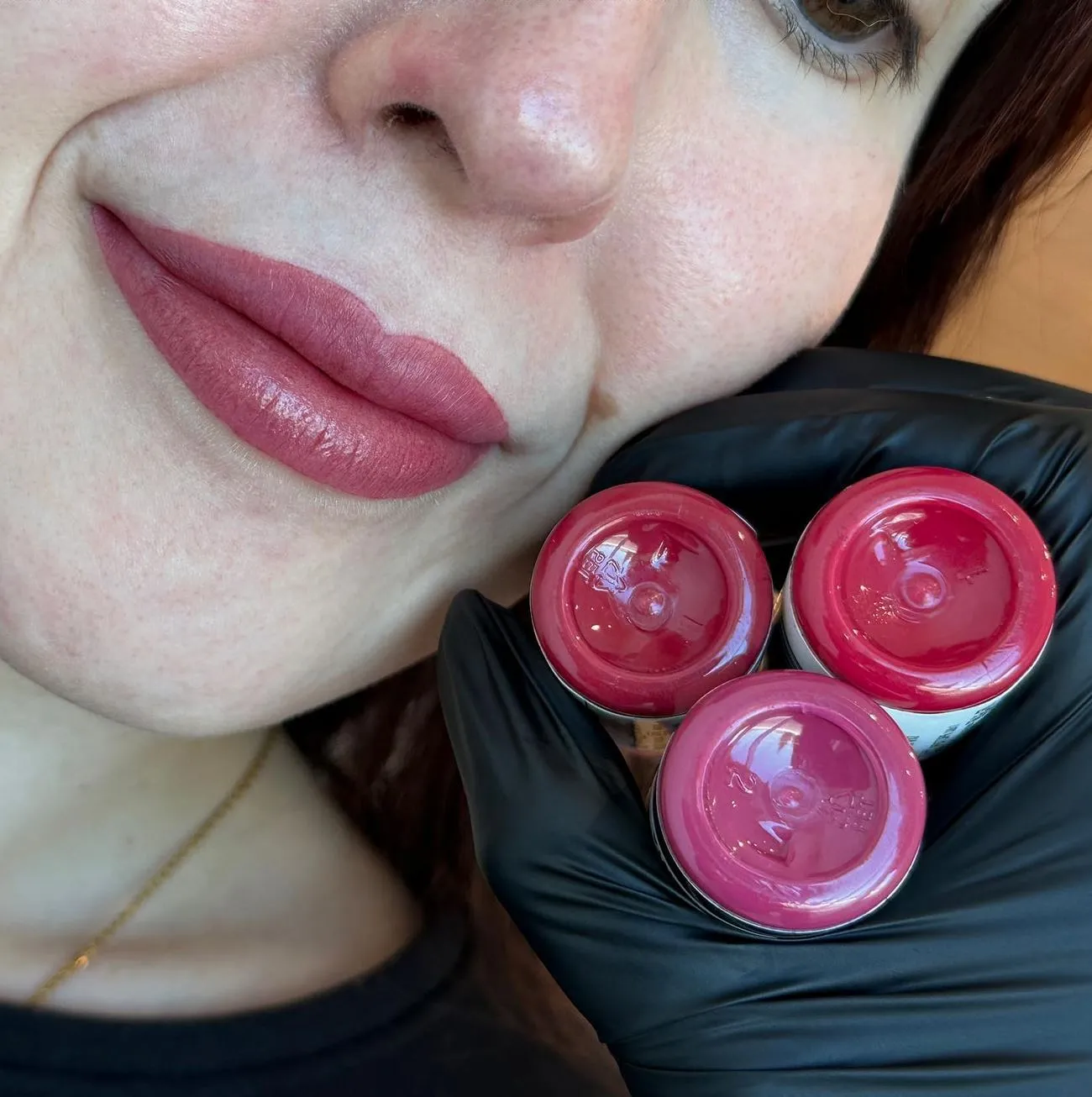
Lip blushing involves penetrating the dermal layer with pigment which can trigger cold sore outbreaks in people with the herpes simplex virus (HSV-1). This virus is highly contagious and can be spread from person to person, even if you haven’t had a recent outbreak, the stress of the procedure can cause a flare up.
If you have cold sores, talk to your healthcare provider about starting antiviral medication before and after your session. This can reduce the risk of infection, speed up healing and promote pigment retention. But if you get frequent or severe outbreaks, you may want to avoid lip blush procedures altogether to prevent discomfort and loss of colour.
Medical Healing Conditions
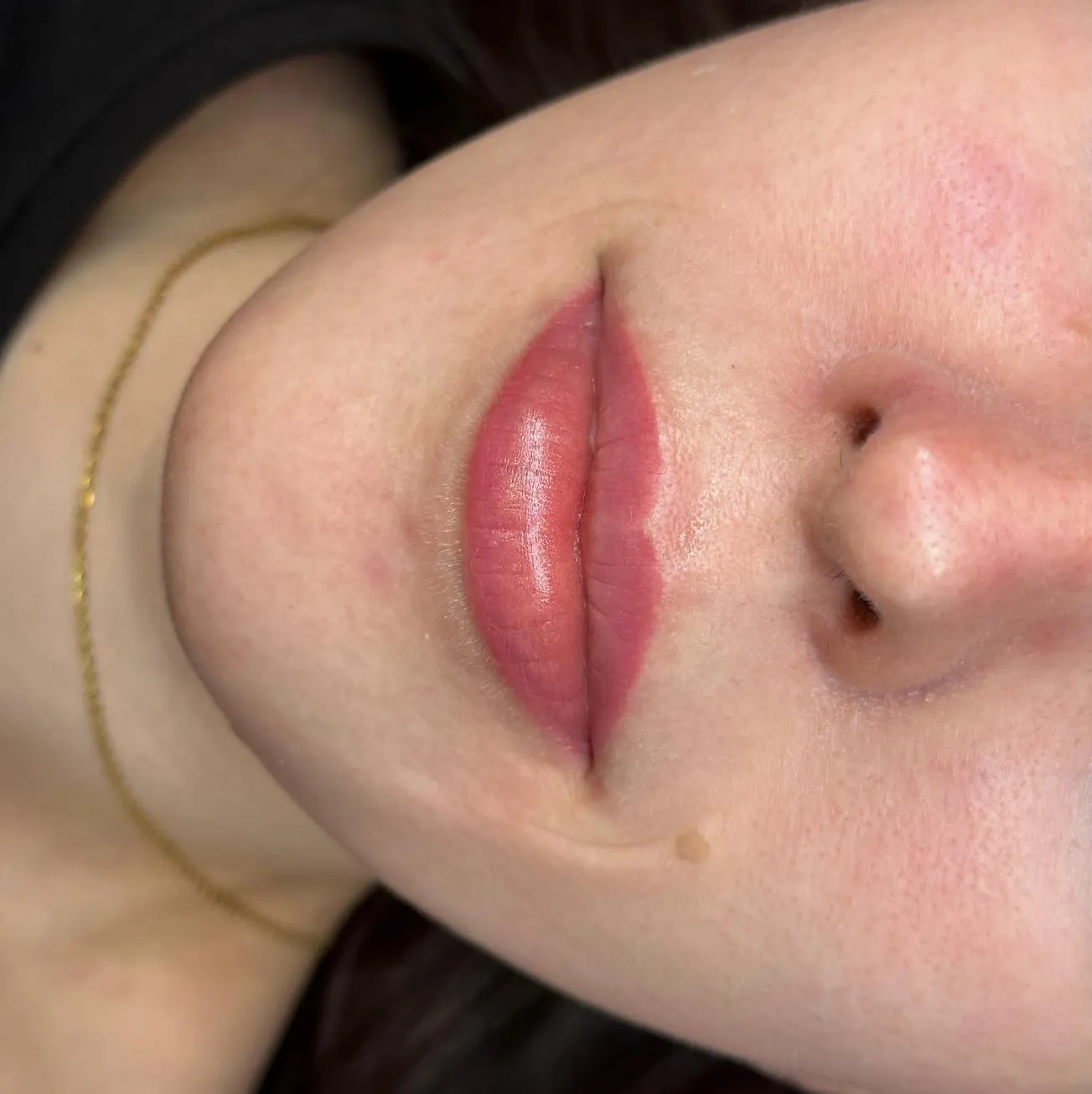
Some medical conditions can impede the body’s natural healing process which is essential for successful lip blushing. If you have uncontrolled diabetes, autoimmune disorders or blood disorders you may experience delayed healing or poor pigment distribution. Those undergoing chemotherapy or radiation are also advised against permanent makeup as their immune system is weakened. New skin cells and pigment need to be generated by the body and some conditions impede this process. Always consult with a care provider before any cosmetic treatment especially if you’re breaking the skin. Remember, good healing = long-lasting colour and a happy experience.
Pregnancy & Breastfeeding
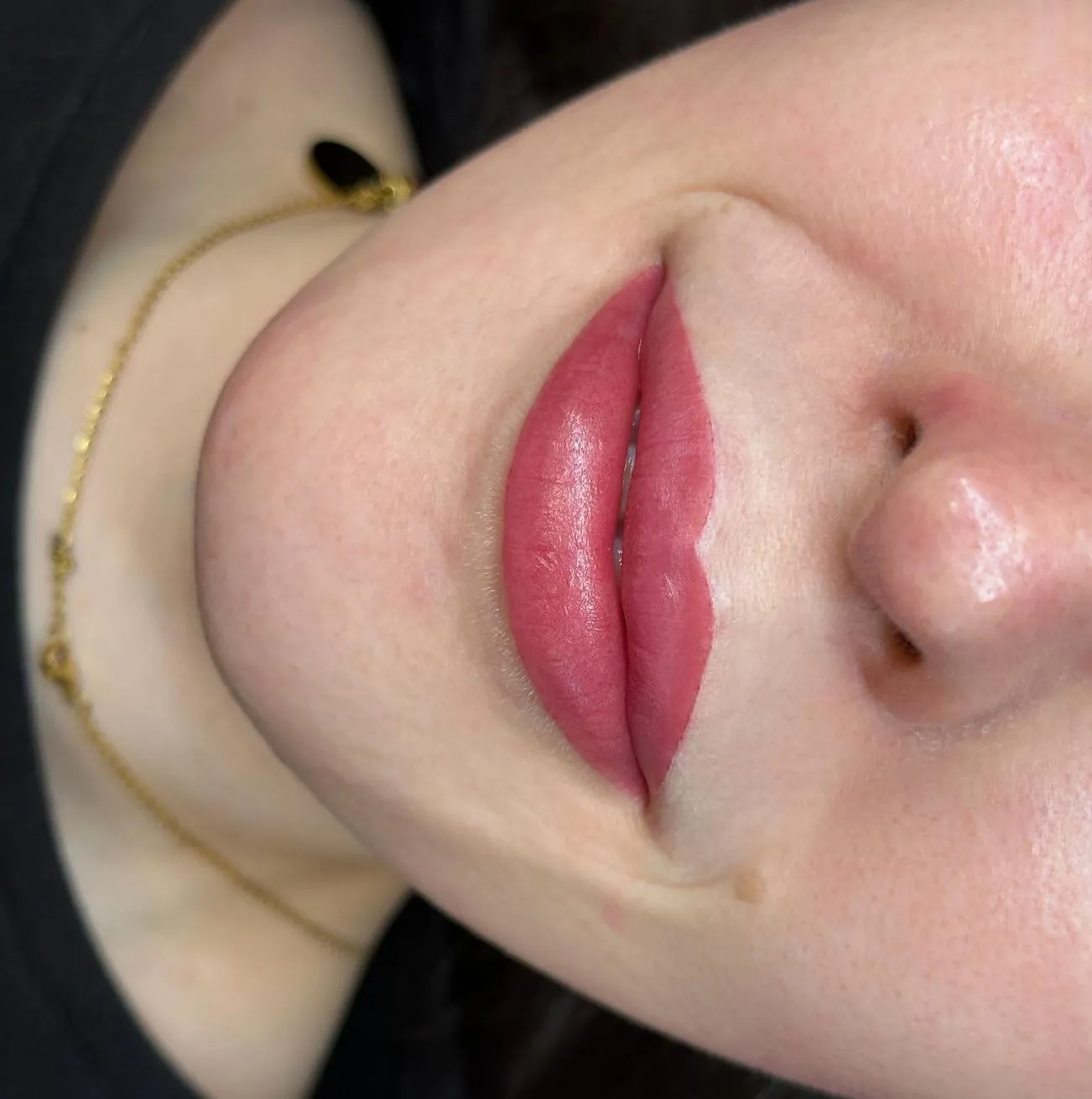
Pregnancy brings hormonal fluctuations that can affect skin sensitivity and pigment retention. Numbing creams and other topical products used during lip blush procedures may also contain ingredients not recommended during pregnancy or lactation.
While lip blushing during pregnancy hasn’t been studied, most beauty experts and experienced techs recommend waiting. For total safety—for you and your baby—schedule your procedure after this period.
Lip Area Skin Conditions
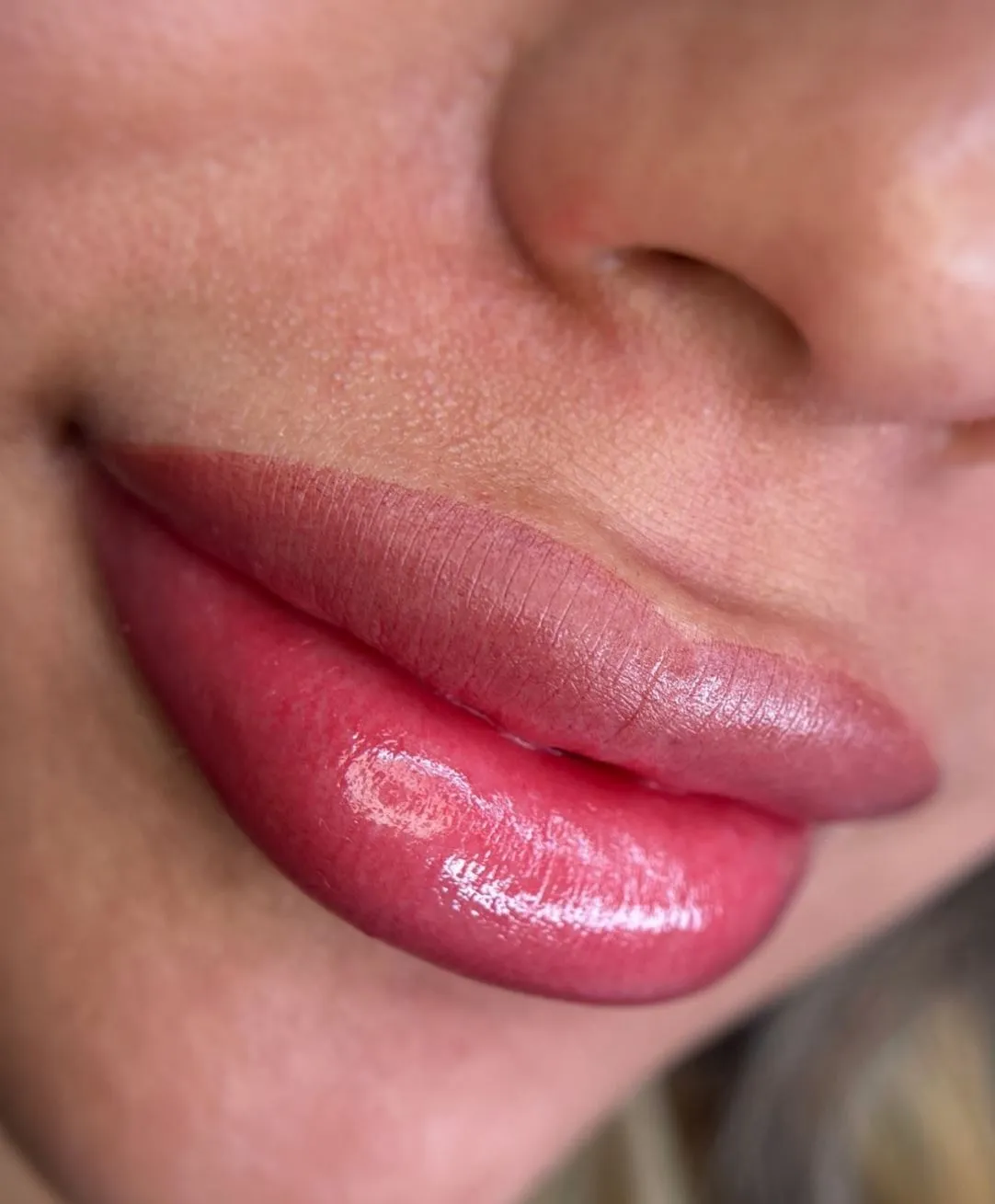
Sensitive skin or skin conditions like eczema, psoriasis or dermatitis in the lip area may be irritated by the trauma of lip blushing. These skin conditions affect the dermal layer and can cause poor pigment retention, irritation or uneven healing.
If you have combination skin, oily skin or editing skin concerns, let us know during your consult. A beauty expert will evaluate your skin space and advise if you’re suitable for the treatment. In some cases, proper aftercare and advanced techniques can minimize side effects but avoiding the procedure may be the safest for those with active flare-ups.
Blood Thinners & Medications
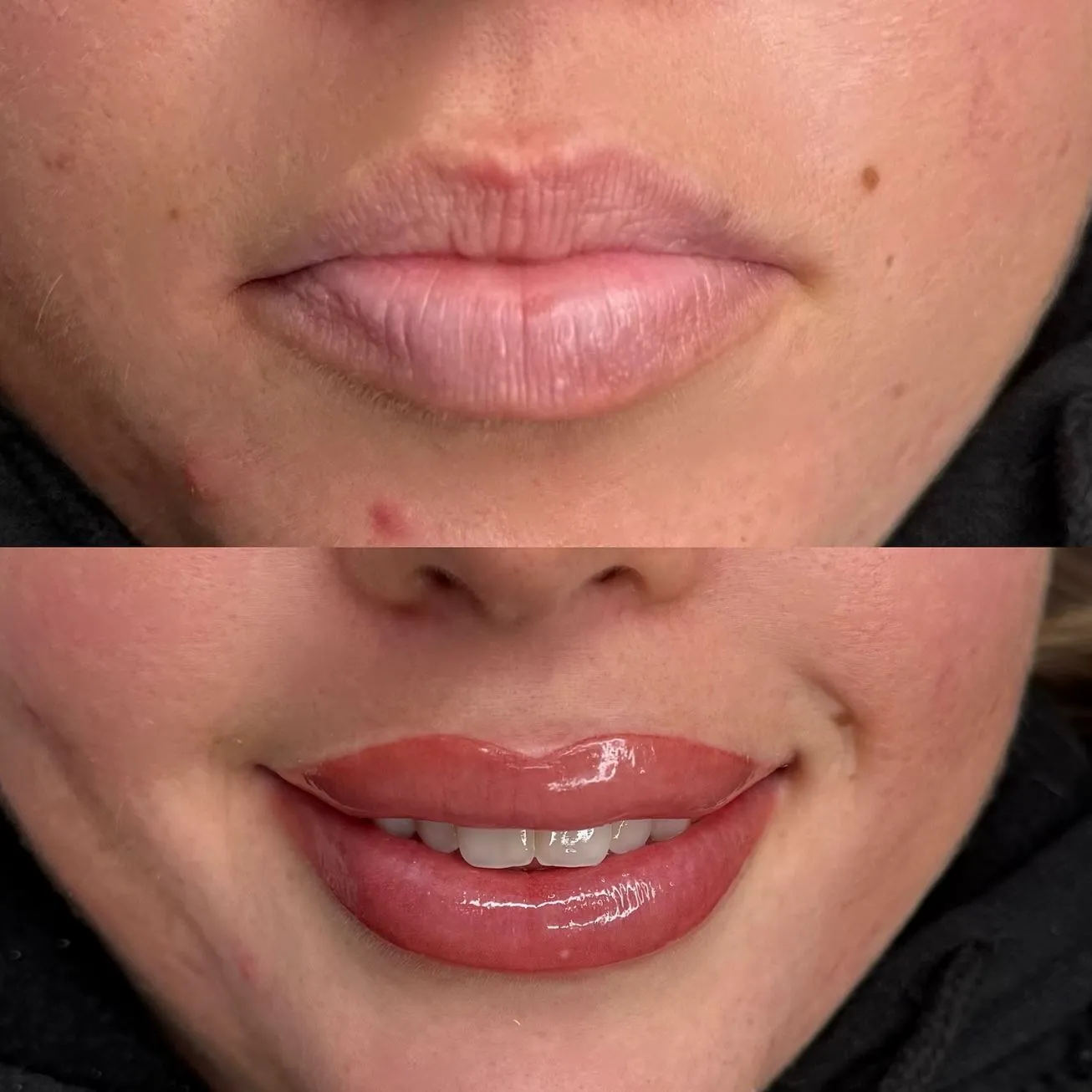
Medications like aspirin, warfarin, anxiety medications and certain beauty supplements (like fish oil or vitamin E) can thin the blood and cause excessive bleeding during the procedure. This affects how the pigment deposits and can cause patchiness or discolouration.
Please share your full medication list—including anti-aging creams, beauty products and even hair products—with your tech and care provider. They may ask you to stop some medications or reschedule your appointment to ensure client safety and proper pigment retention.
Unrealistic Outcomes
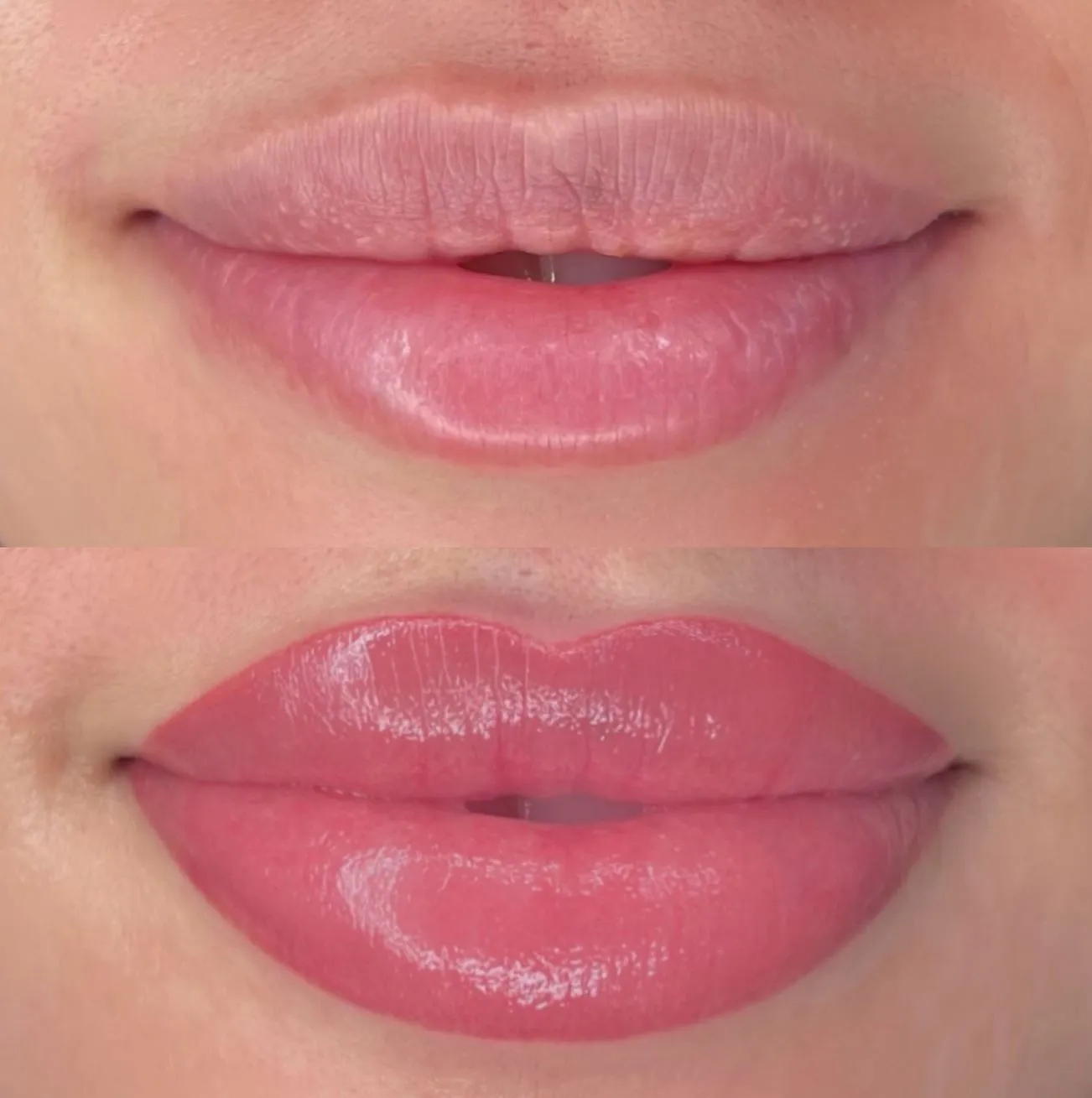
Lip blushing is a natural enhancement not a transformation. If you expect it to replace bold traditional lipstick or completely redesign your lips, you may be disappointed. Lip blushing enhances your natural lip colour and works best with your own features.
A skilled tech will help set realistic goals and explain how colour combinations, lighter pigment shades and additional layers can gradually enhance your look. First-hand experiences from previous clients often say the most satisfying results come from trusting the process and understanding subtlety is key.
Allergies & Sensitivities
Those with sensitive skin or a history of allergic reactions to cosmetic products, numbing creams or pigments may be at risk for complications. Even high quality pigments can cause irritation in rare cases especially if the client has never had a cosmetic tattoo before. A patch test and consultation can determine your risk. Lip balm and healthy skin can aid in the aftercare but sometimes it’s just not worth it.
Conclusion
Lip blushing is getting popular in the beauty world because of its artistry and long lasting results. If you’re looking for a natural-looking enhancement, it’s a great alternative to lip fillers and traditional lipstick. But to have a comfortable experience with beautiful results you need to understand the other factors that can affect the outcome.
From the consultation to the aftercare guidelines, trust an experienced technician, put your health first and align your expectations with what lip blushing really offers: subtle enhancement, long-lasting colour and waking up with perfectly tinted lips every day. Whether you’re a beauty editor writing about trends, a beauty content creator sharing makeup selfies or just someone who wants to simplify your beauty routine, lip blushing can be a great fit if you’re the right candidate.
FAQ
Can I get lip blushing if I had cold sores in the past?
Yes but you’ll need to speak with your doctor about taking antiviral medication to prevent a flare-up. Lip blushing can reactivate dormant HSV-1 so proper aftercare and avoiding abrasive products are essential for client safety.
What should I avoid before my appointment?
Steer clear of blood thinning medications, caffeine and alcohol for 24-48 hours. Don’t use anti-aging creams or harsh cosmetic products around the lips. Stick to a gentle beauty routine and apply a good lip balm to prep your lips.
How painful is the procedure?
Pain level varies from person to person, features and skin type. A numbing agent or numbing cream is used to minimize discomfort. Most of our previous clients reported mild discomfort like a light scratch.
Will lip blushing replace my lipstick?
Not entirely. It adds a customizable colour and a beautiful blush of colour but you may still want to wear your favourite lipstick for added drama or to match specific outfits. But you’ll find yourself using less makeup overall.
What’s the healing process like?
Healing takes 7-14 days for the surface layer and up to 6 weeks for full pigment settlement. Follow your aftercare instructions carefully: use only recommended products, don’t lip pick and keep lips hydrated with lip balm. Proper aftercare is key to optimal healing and colour healing.