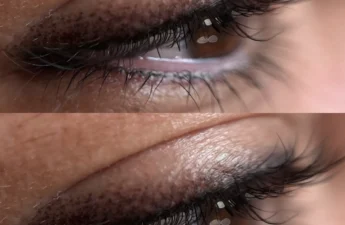
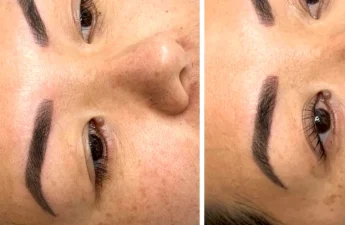
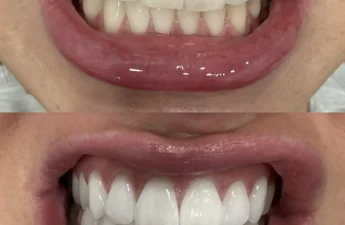
So you’ve just had lip neutralisation or are thinking of booking in, you’re probably wondering: what’s the best aftercare for lip neutralisation? At Cosmetic Tattoo Melbourne Studio Face Figurati, I’ve done hundreds of dark lip neutralisation and lip lightening treatments. After years of pigment testing, healing experiments (yes, even on myself) and follow-up consults I can confidently say good aftercare is half the result.
Let’s break down the dos, don’ts and must-knows so you get a vibrant, even lip colour without fussing over flakes or fading. If you’re new to lip neutralization the healing process can feel unpredictable — but with the right guidance it’s totally manageable.
Healing vs Lip Tattoo
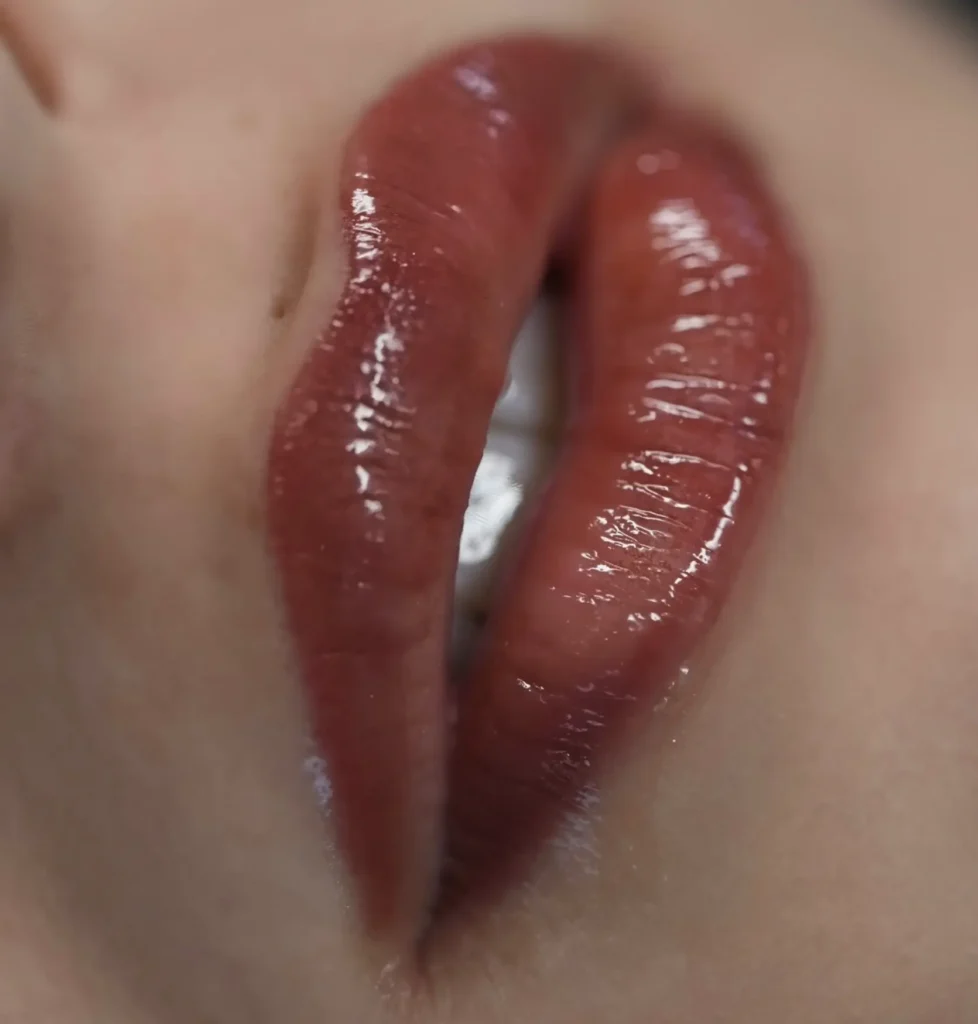
Not all lip tattoos heal the same — especially when it comes to darker skin tones or hyperpigmented lips.
Lip neutralisation is a special form of permanent makeup designed to balance dark or cool-toned lips with carefully selected pigment colours. At Cosmetic Tattoo Melbourne Studio Face Figurati we use colour theory and layering techniques to neutralise uneven tones during your lip neutralization journey. Because we’re working to counteract melanin-rich areas (instead of just adding a tint) the healing process is more delicate and often longer than standard lip blush.
Your lips may swell more, flake differently or go through more colour shifts before settling. That’s why it’s so important to follow a tailored aftercare plan — not just a generic PMU checklist.
Day by Day Healing Breakdown (Week One)
The first week after your treatment is critical. Here’s what to expect:
| Day | What You Might See | What to Do |
|---|---|---|
| 1 | Swelling, tightness, warm or dark tone | Apply ice packs (wrapped), blot gently, apply healing balm |
| 2-3 | Flaky patches, dry lips, pigment looks darker or redder | Avoid peeling, keep hydrated, dab balm as needed |
| 4-5 | Peeling begins, colour lightens | No picking! Use a clean cotton tip for balm application |
| 6-7 | Peeling is mostly done, and the lips feel smoother | SPF balm during the day, continue moisture barrier at night |
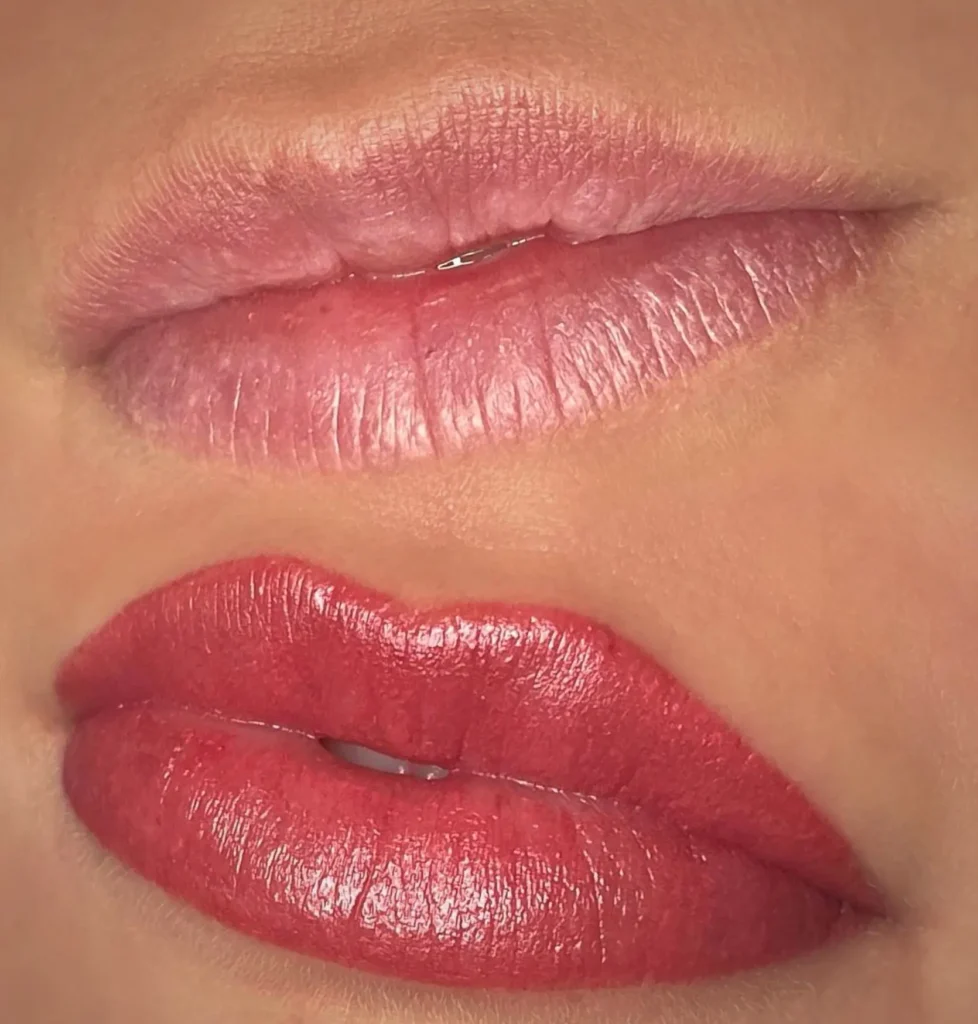
Remember: colour changes are normal. Lip neutralisation can go from warm orange to pale pink to settled peach or nude over a few weeks. Don’t panic if your lips look different each morning — it’s all part of the healing process that comes with proper lip neutralization.
The Golden Rules for Aftercare
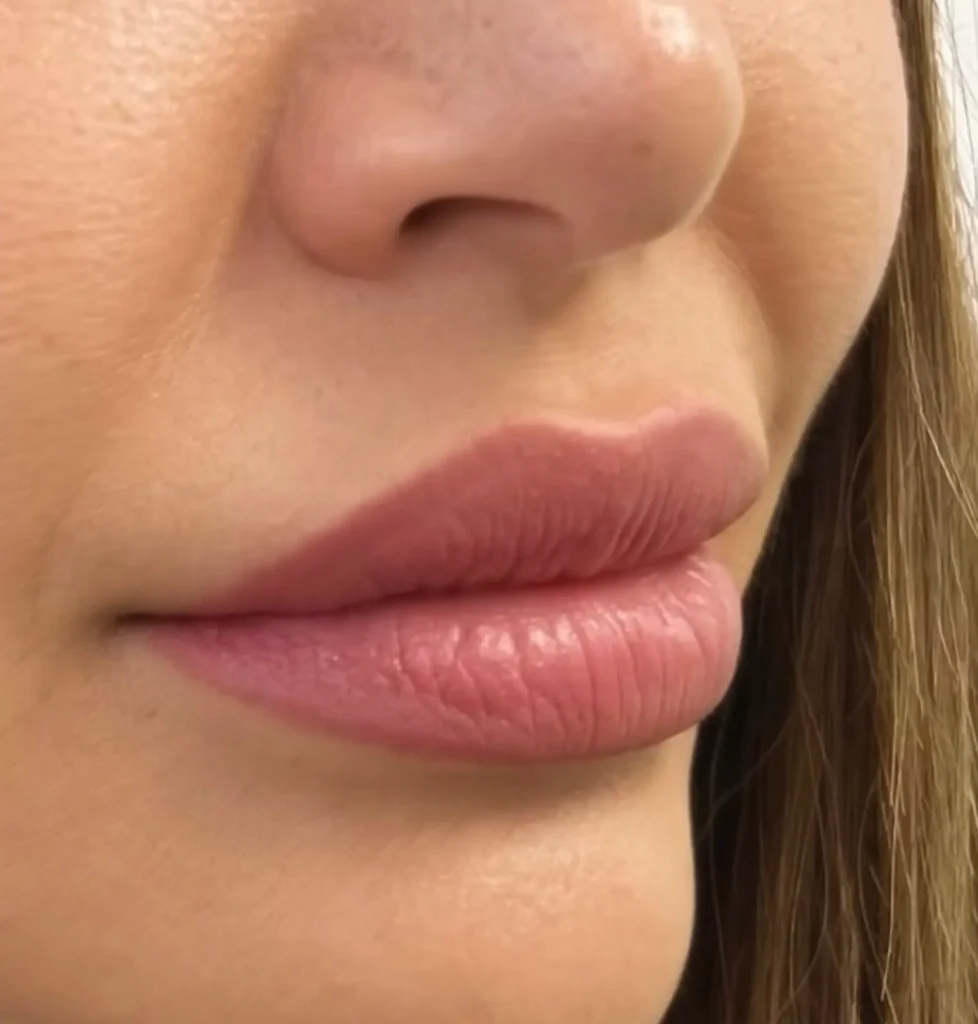
Let’s simplify your to-do list into five non-negotiables:
- Keep it clean – Blot gently with a damp pad and avoid saliva contamination.
- Use a barrier balm – I recommend a petroleum-free lip balm with healing oils like calendula or lanolin.
- Hands off – No touching, picking or exfoliating, even if the flaking gets tempting.
- Skip spicy and acidic foods – Think chilli, citrus, vinegar — they’ll sting and may affect the tattoo pigment.
- Stay sun-safe – Sun exposure can change pigment colour or cause fading. Use SPF lip balm after day 5.
What Products Should You Use?
Here are some client-favourite aftercare products we often recommend at Cosmetic Tattoo Melbourne Studio Face Figurati:
- La Roche-Posay Cicaplast Lips – Great for sensitive types and won’t clog
- Lanolips 101 Ointment – Natural, lanolin-rich and ultra-hydrating
- Dermal Therapy Lip Balm SPF 50+ – Ideal for the healing phase once the skin barrier is closed
Choosing the right product also depends on your skin type, especially if you’re prone to dryness or irritation. If you’re unsure about what to use for your skin type or allergies, ask your treatment specialist for recommendations.
Healing Complications to Watch For
While lip tattooing is safe when done by a licensed cosmetic tattoo artist, the lips are a sensitive area. If you experience any of the following signs or symptoms, reach out to your specialist:
- Signs or symptoms of infection: oozing, fever, or pus
- Cold sore outbreaks (especially if you’re prone to the herpes virus)
- Prolonged swelling after 3 days
- Severe unevenness or discolouration after 4+ weeks
You may be prescribed antiviral medication if you have a history of cold sores. Always tell your practitioner beforehand — at Cosmetic Tattoo Melbourne Studio Face Figurati, we build this into your treatment prep.
What NOT to Do After Lip Lightening
And here are the habits to avoid during healing. I always remind my Melbourne clients to:
No saunas, steam rooms or hot yoga for 10 days
- No active skincare (like glycolic treatments or anti-aging creams) near the lips
- No intense exercise that makes you sweat excessively during days 1–5
- No lip filler or cosmetic injections until at least 4 weeks post-treatment
- No chemical peels or laser sessions on or around the lips for 4–6 weeks
- No chemical treatments or facials that stimulate collagen production or skin tightening near the mouth until the area is fully healed
The Real Timeline for Neutralisation
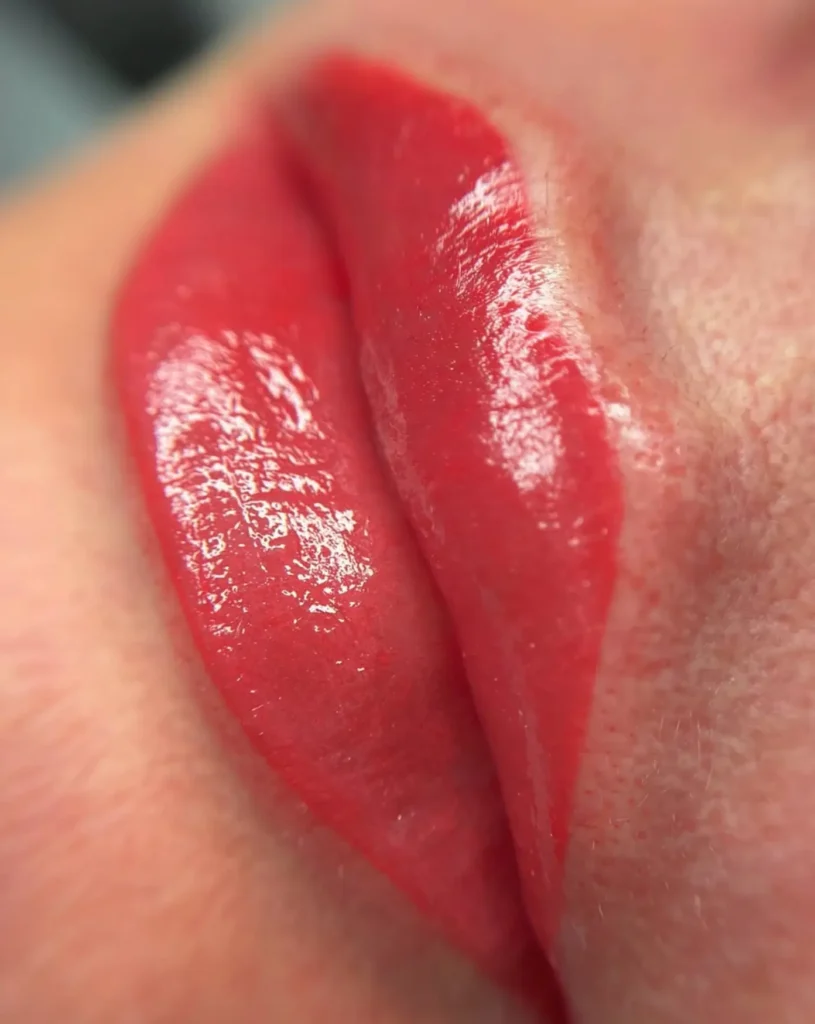
If you have darker lips or uneven pigmentation, lip depigmentation is a process. It takes 2-3 sessions to get to your desired tone and balance the pigment colour. Each session builds on the last, with the healing process refining and settling your lip colour over time.
This is where a trusted treatment specialist matters. Someone who knows what pigment colour to use for your undertone, how to work with melanin-rich skin and how to map out sessions for long-term colour retention. At Cosmetic Tattoo Melbourne Studio Face Figurati, we plan each lip neutralization treatment session for both safety and beautiful results.
Why Melbourne’s Climate Matters for Healing
Living in Melbourne? You know our climate loves to swing. Dry winter winds can cause lips to crack during healing, while hot summer days increase sun exposure risks. I always tailor my aftercare advice based on the season. In winter we amp up the hydration. In summer SPF is your best friend — especially after lip neutralization procedures.
Final Touch-Up Sessions: When and Why
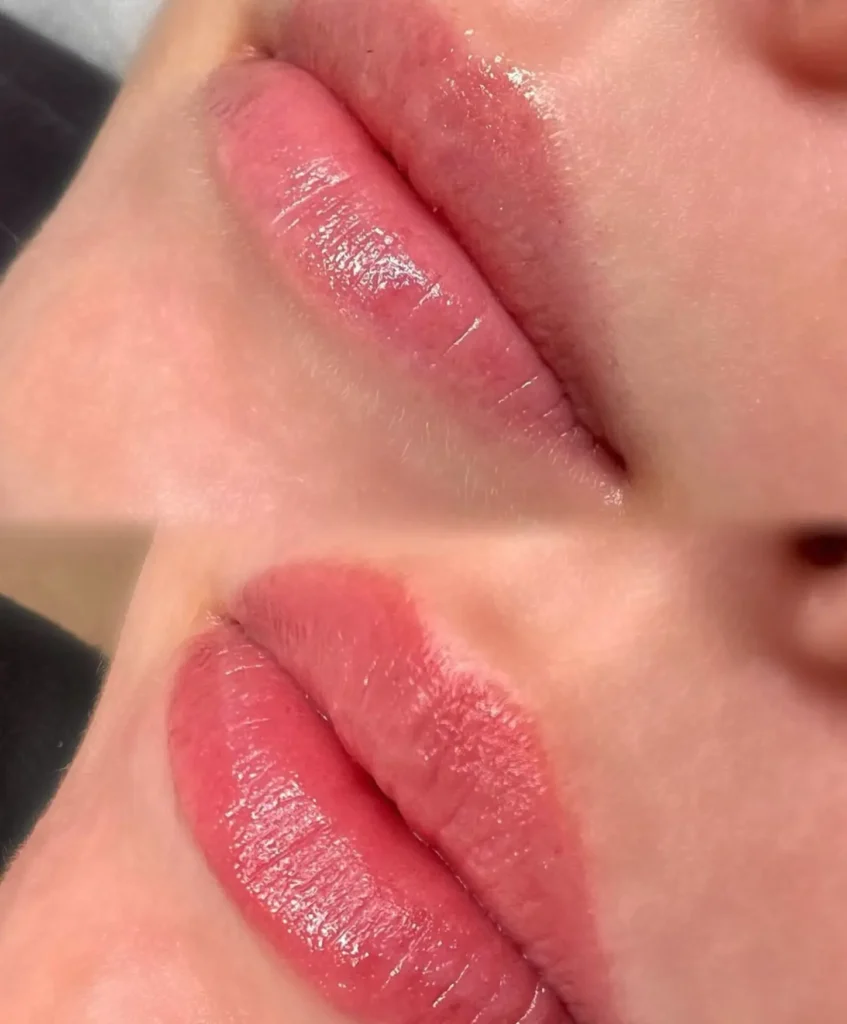
Even with perfect prep and healing, your first session is rarely your final result. A touch-up session is usually booked 6-8 weeks after your initial appointment. This is where we:
- Adjust any uneven pigment areas
- Boost colour retention
- Soften or brighten the tone if needed
Touch-up sessions are especially important for lip neutralisation as the pigment must heal in layers for a soft natural finish. At Cosmetic Tattoo Melbourne Studio Face Figurati we ensure each touch-up aligns with your desired outcome and unique lip goals.
Real Client Story
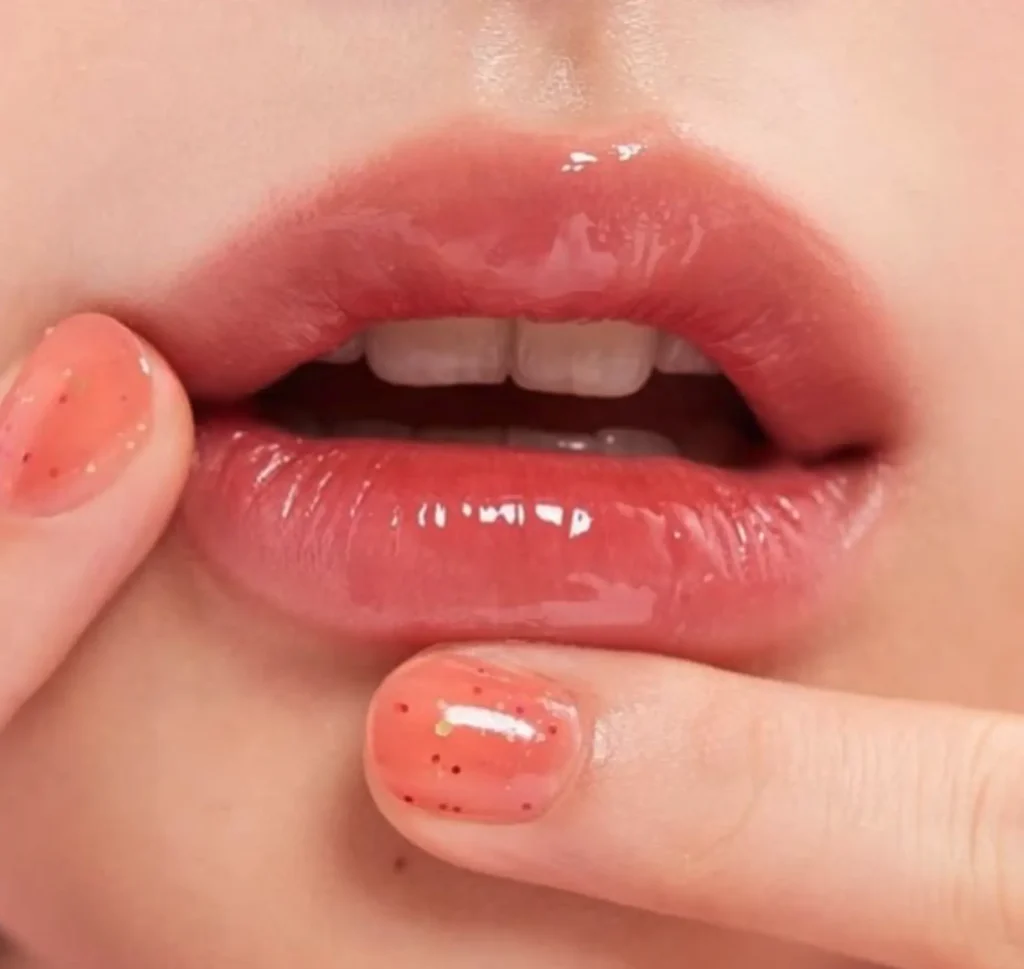
When Tameka came to Cosmetic Tattoo Melbourne Studio Face Figurati for her first lip neutralisation session her upper lip had deeper cool undertones compared to her bottom lip. She wanted to even out the tone but had previously tried over-the-counter lip cosmetics and lightening balms with no success.
After her first treatment she experienced normal swelling followed by peeling on day 3. She followed the aftercare plan to the letter, avoiding sun exposure and using balm throughout the day.
By week 6 her tone had settled into a soft rosy coral and she came in for her second session where we gently brightened the hue. Today she wears only clear gloss and tells me she finally feels confident in her natural lip colour.
Let’s Get to It
The best aftercare for lip neutralisation is all about hydration, hygiene, sun protection and patience. Follow a plan tailored to your skin type and lifestyle, and you’ll minimise risks and maximise colour.
Thinking of getting a lip neutralisation tattoo or need guidance on your healing process? Book a consult at Cosmetic Tattoo Melbourne Studio Face Figurati. I’ll walk you through every step from pigment planning to post-care. Whether it’s your first or third lip neutralization, we’re here to support your journey to confident, balanced lips.
Got a healing question I didn’t cover? Leave a comment or get in touch — I always update my guides.
FAQ
Can I wear lip balm right away?
Yes — but only your healing balm. No tinted or fragranced products.
Do I need antiviral meds?
If you’ve ever had a cold sore (caused by the herpes virus), yes. Start 2 days before treatment.
How long until I can eat normally?
Avoid hot, spicy or acidic food for 3–5 days. Use a straw when possible.
Is it normal for my lips to look orange?
Yes! That’s the warm pigment counteracting cool tones. The final colour settles after a few weeks.
Can I apply makeup over healing lips?
No makeup until the skin has fully healed (7–10 days). After that you’re safe to gloss.